
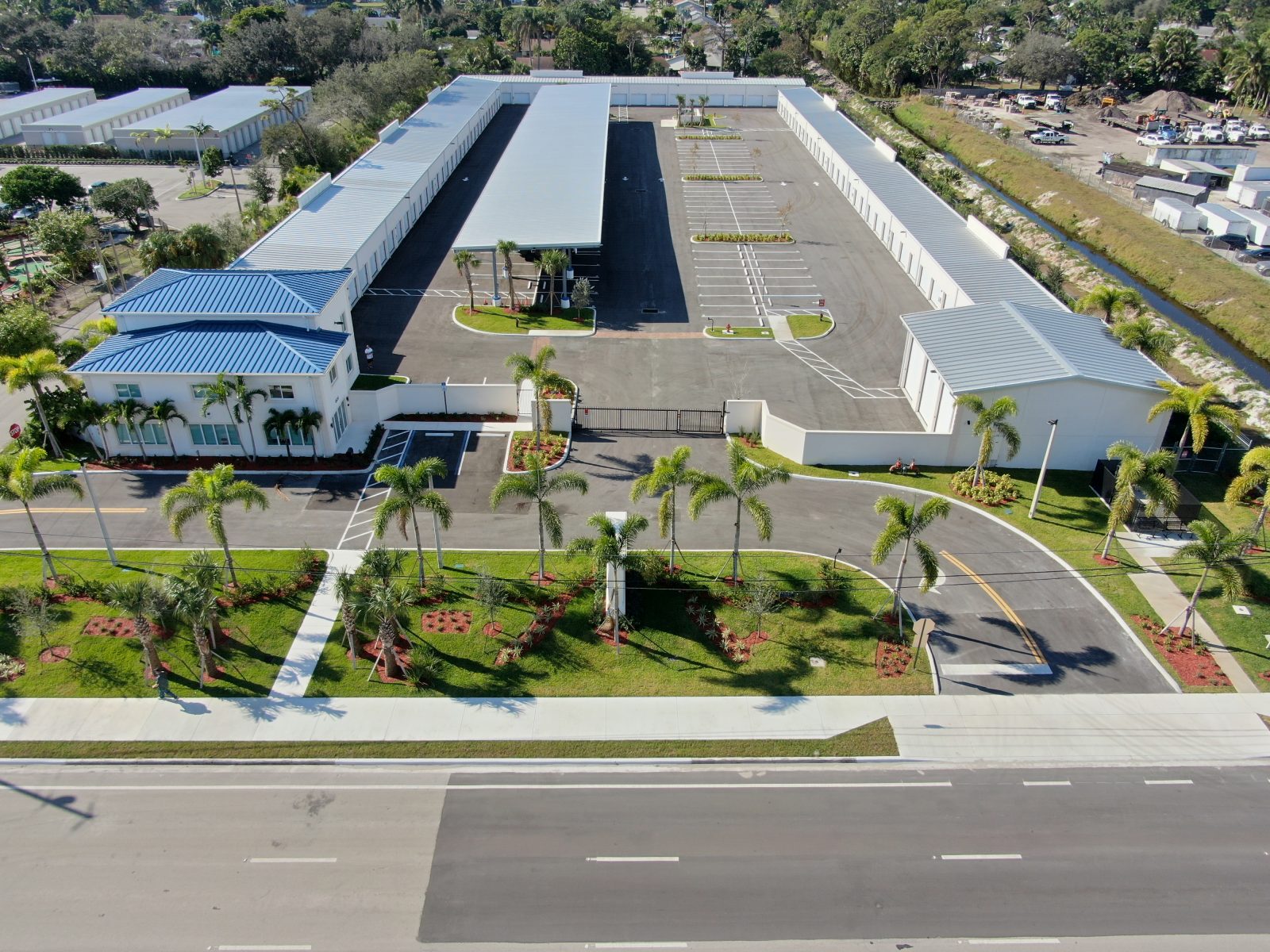
Palm Beach County is home to one of the highest concentrations of classic-car and motorcycle collectors in the country. Between snowbird owners who spend six months up north, garage-space ordinances in gated communities, and the constant battle against South Florida humidity, dedicated storage is often the smartest place to keep a collector vehicle. Lake Worth Storage is built for it.
Here is what every classic-car or motorcycle owner in Lake Worth, Wellington, Boca Raton, and the surrounding cities should know before parking a collectible for the summer or for the long haul.
Why Palm Beach County Collectors Need Dedicated Storage
The collector cars that fill Concours weekends in West Palm and the bikes that roll through Daytona Bike Week share one enemy down here: heat and salt air. A driveway or open carport in Lake Worth will cook a paint job over a summer and rust chrome surfaces from the underside up. Garages are better, but most Palm Beach County HOAs limit what can sit in a driveway and many homes simply do not have the bay space for two daily drivers plus a 1967 Camaro or a vintage Ducati.
A dedicated storage unit gives you what a home garage cannot: stable temperature, controlled humidity, real security, and 24/7 access when you want to take her out for a Sunday cruise on A1A.
Climate Control Protects Paint, Leather, and Electronics
Our air conditioned storage units stay in a steady temperature and humidity band year-round. For collector vehicles, that means:
- Paint: no UV bleaching, no thermal expansion-contraction stress on clear coat.
- Leather and vinyl: no drying, cracking, or mildew on seats, dash, or convertible tops.
- Rubber: tires, hoses, and weatherstripping last years longer when they are not baking at 95 degrees and 90 percent humidity.
- Electronics: ECUs, gauges, and aftermarket stereos do not corrode at the connectors.
- Chrome and metal trim: no humidity-driven surface rust on bumpers, exhaust tips, or spokes.
Battery Tenders, Trickle Chargers, and Long-Term Storage Prep
If your unit has power access, a battery tender is the single most useful accessory you can add. Classic cars and motorcycles with old-school lead-acid batteries will go flat in three to six weeks of sitting. A tender keeps the battery at full charge without overcharging.
For a long off-season storage period, consider this prep checklist:
- Fill the fuel tank and add a stabilizer to prevent ethanol separation.
- Change the oil so acidic combustion byproducts do not sit on engine internals.
- Inflate tires to 5 to 10 PSI above normal to reduce flat spots.
- Place the vehicle on jack stands or use tire cradles for storage longer than 90 days.
- Stuff a clean rag in the exhaust outlet and air intake to keep rodents out.
- Cover the vehicle with a soft, breathable indoor car cover. Skip the heavy outdoor tarps.
Storage Size Guide for Classic Cars, Motorcycles, and Trailers
Unit sizing is the question we get most often from collectors. As a rough guide:
- 10×15: fits most motorcycles plus parts shelving, or a single compact classic with room to walk around.
- 10×20: fits a standard sedan or coupe plus tools and a small workbench.
- 10×25 to 10×30: full-size classics, trucks, or a vehicle plus an enclosed trailer.
- Covered parking: our covered RV and boat parking also works for car trailers, race-prep haulers, and oversized restomod projects that do not fit a standard unit.
Insurance and Inspection Considerations
Classic-car insurance carriers typically ask where the vehicle is stored when you bind a policy. A locked, gated, climate-controlled storage facility often qualifies for the lowest storage-location rating. Bring your storage agreement to your annual review and confirm with your carrier. Florida does not require periodic safety inspection, but most collectors do an annual look-over before pulling the vehicle out for show season.
Frequently Asked Questions
Do I need climate-controlled storage for a classic car in South Florida?
For anything with original paint, leather, chrome, or electronics, yes. The humidity and heat swings in Palm Beach County degrade collector vehicles faster than the same vehicles parked in Arizona or California.
Can I work on my car inside a storage unit?
Light maintenance like checking fluids, swapping a battery, or detailing is generally fine. Major mechanical work, painting, and any flammable activity are not allowed for insurance and fire-code reasons. Check your specific lease for exact rules.
How often should I start a stored classic?
Old guidance was to start it monthly. Modern best practice is to leave it alone and use a battery tender plus fuel stabilizer. Cold-starting and idling without running the engine to full operating temperature causes more harm than good.
Do you have power outlets in the units?
Power-equipped units are available. Ask when you reserve so we can match you to the right space for a battery tender or trickle charger setup.
Ready to give your collector vehicle the home it deserves? Contact Lake Worth Storage today to talk through size, power access, and climate-control options for classic cars, motorcycles, and trailers.