
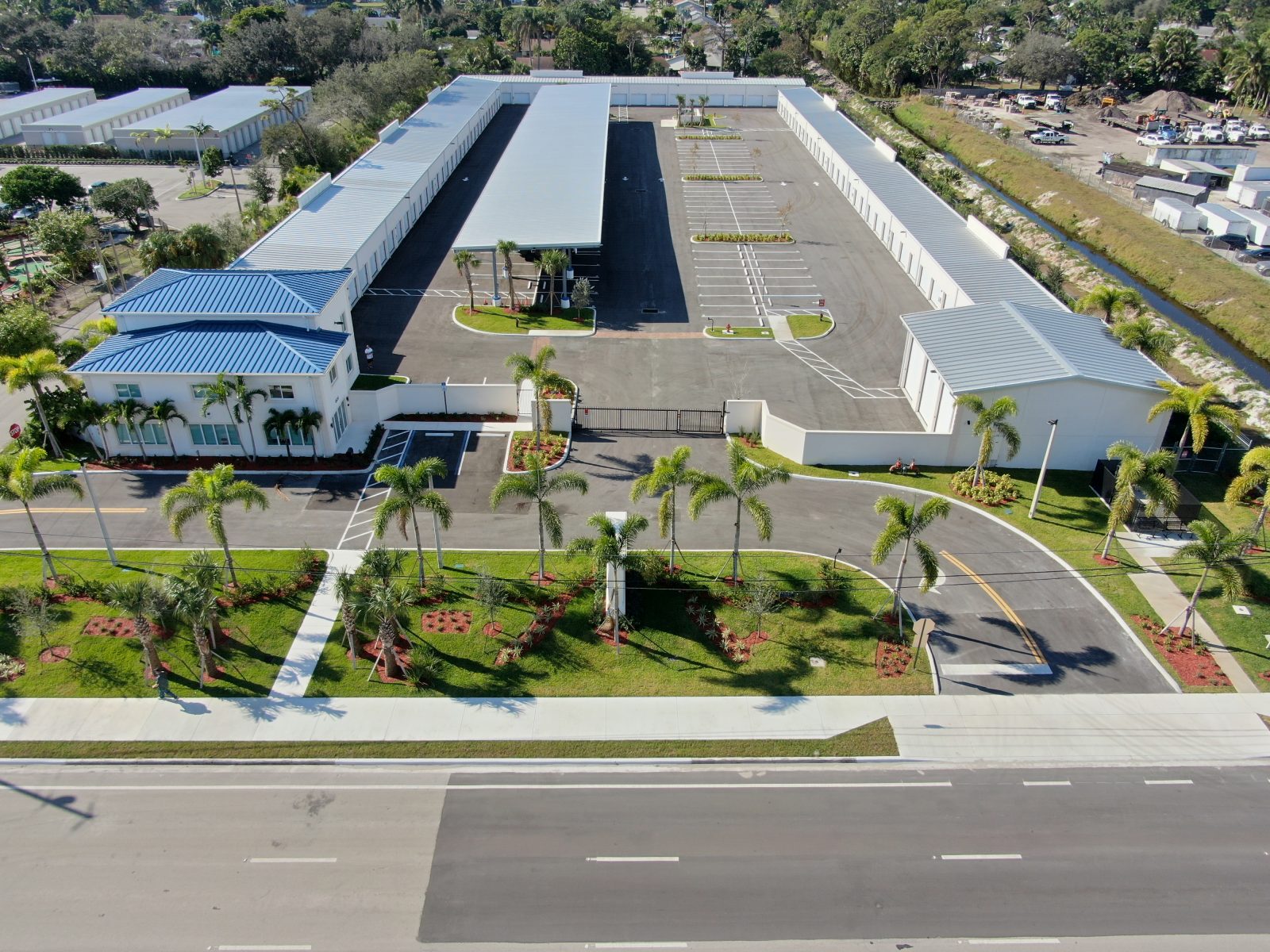
Atlantic hurricane season runs June 1 through November 30, and Palm Beach County sits squarely inside the high-impact zone. Whether you live full-time in Lake Worth or you are getting ready to head north for the summer, the smart move is to harden your home before the first named storm spins up. A secure offsite storage unit is one of the simplest ways to protect what matters most.
At Lake Worth Storage, we see the same scramble every June. Homeowners trying to figure out where to stash boats, important documents, family photos, and outdoor furniture once a cone of uncertainty starts pointing at South Florida. Here is how to use your storage unit to take that pressure off well before storm watches go up.
Why Hurricane Season Demands a Storage Plan
Most storm losses in Palm Beach County are not from direct wind. They come from flying debris, roof leaks, and floodwater pushing through garages and ground-floor rooms. Anything stored in a flood-prone garage or under a screened patio is exposed. Moving high-value and irreplaceable items into a secure storage unit before the season picks up gets them out of the danger zone for the next six months. It also makes evacuation easier if a Category 3 or stronger storm forces a coastal pull-back.
What to Move Into Storage Before a Storm
Not everything needs to come out of the house. Focus on items that are hard to replace or expensive to repair:
- Important documents: deeds, insurance policies, passports, birth certificates, medical records, vehicle titles. Use a fireproof box inside the unit for an extra layer.
- Family photos and keepsakes: printed photos, photo albums, wedding videos, anything you cannot re-download.
- Electronics: spare laptops, gaming consoles, cameras, hard drives, anything that cannot sit in 90 percent humidity for two weeks if power goes out.
- Art, instruments, and collectibles: framed art, musical instruments, sports memorabilia. Climate control matters here.
- Patio and pool furniture: cushions, umbrellas, lightweight chairs, grills. These become projectiles in 100 mph winds.
- Holiday and seasonal items: things you do not need in June or July anyway.
Climate-Controlled vs Standard Units for Storm Season
South Florida summers run hot and humid even without a storm. If power goes out and your unit gets warm, anything sensitive will suffer. Our air conditioned storage units hold steady temperature and humidity, which is what you want for documents, electronics, leather, wood furniture, and anything with a screen. Standard drive-up units are fine for grills, patio sets, lawn equipment, and items that already live outside.
RV, Boat, and Vehicle Storage During Hurricane Season
A boat on a trailer in your driveway is a roll-of-the-dice during a hurricane. Same with an RV parked at the curb. Our covered parking for RVs and boats keeps your vessel out of the wind and under a roof, with paved access for easy pickup once the all-clear is given. Spaces fill up fast in late May and early June, so reserve a covered spot now if you do not already have one.
Pre-Storm Checklist
Once a named storm enters the Atlantic basin, these are the moves to make in order:
- 72 hours out: confirm your storage unit access, top off vehicle fuel, photograph the interior of your home for insurance.
- 48 hours out: move documents, electronics, and irreplaceable items to the unit. Place a moisture absorber inside if you are using a standard unit.
- 24 hours out: secure all outdoor items, drop boats and RVs at covered storage, double-check that your unit is locked and the gate code works.
- After the storm: wait for the all-clear before returning to coastal areas. Document any damage at home before moving items back.
Frequently Asked Questions
When should I rent a storage unit for hurricane season?
The best time is mid-May, before June 1. Units fill quickly once the first named storm forms, and last-minute renters often end up with whatever is left.
Is climate-controlled storage worth the extra cost during hurricane season?
For documents, electronics, art, and wood furniture, yes. South Florida humidity stays in the 70 to 90 percent range from June through October. Climate control protects items that would otherwise warp, mold, or short out.
Can I store my boat or RV here during a hurricane?
Yes. We offer covered parking for RVs and boats on paved, gated lots. Reserve early since spaces fill up before peak season.
What insurance covers items in a storage unit during a storm?
Most homeowner and renter policies extend limited coverage to offsite storage. Confirm with your carrier and consider Lake Worth Storage tenant insurance for full protection.
Get ahead of the season. Contact Lake Worth Storage today to reserve climate-controlled, RV, or covered parking before the next storm watch goes up.